Challenging Interpol Notices: Legal Procedures and Practical Approaches
The issuance of an Interpol notice can have profound implications for individuals around the globe, whether they are facing criminal allegations or merely the unwanted attention of law enforcement. With each notice, the potential for legal and lifelong consequences increases. Consequently, the ability to challenge such notices becomes crucial for affected individuals. Many people find themselves in situations where an Interpol notice may be based on dubious claims or may result from political motivations. Therefore, understanding how to navigate the process of contesting these notices is vital. For a comprehensive guide on the subject, visit challenging Interpol notices https://anaisnailspa.com/pgs/challenging-interpol-notices-legal-procedures-and-practical-approaches.html.
Understanding Interpol Notices
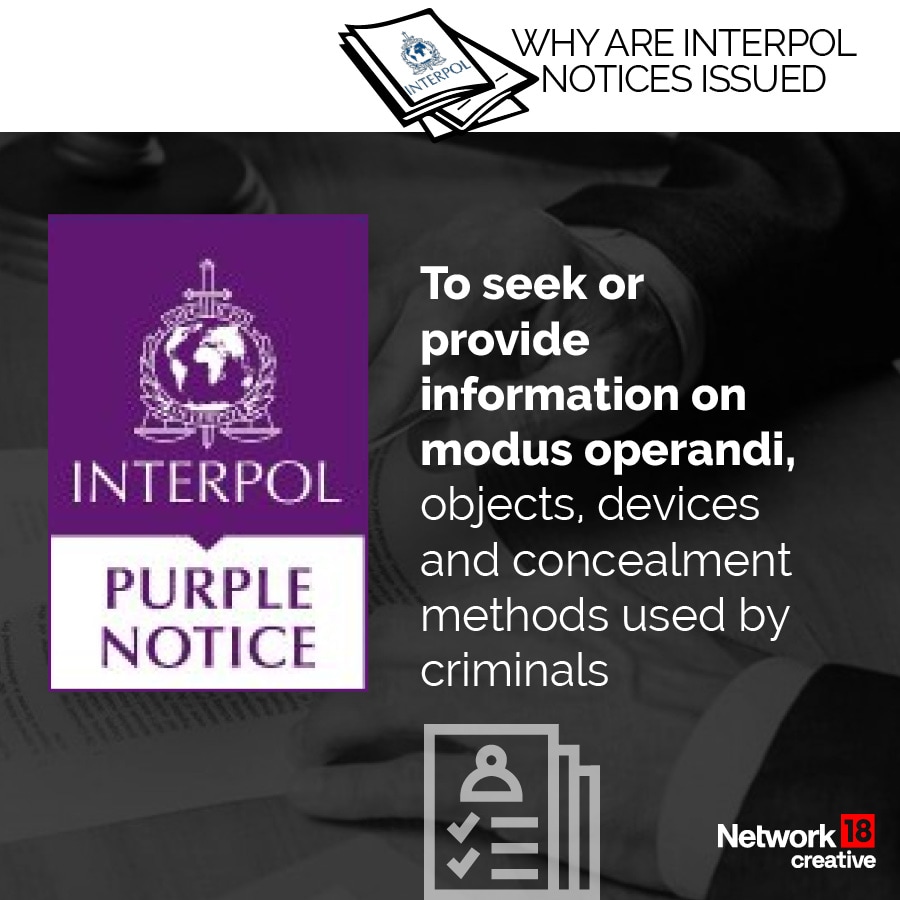
Interpol, or the International Criminal Police Organization, issues notices to alert law enforcement agencies worldwide about crimes, fugitives, and other matters of international security. The most common types of notices include Red Notices (requests to locate and provisionally arrest a person pending extradition) and Yellow Notices (used to help locate missing persons). While upholding international criminal law is crucial, these notices can sometimes lead to abuses, particularly when they are influenced by political motives or lack substantial evidence.
Reasons for Challenging Interpol Notices
Individuals may seek to challenge Interpol notices for multiple reasons:

- Political motivations: In many instances, requests for notices stem from governments seeking to pursue political adversaries rather than genuine criminal behavior.
- Lack of due process: Individuals may argue that their notices were issued without adequate legal proceedings or against fair trial principles.
- Inaccurate or false allegations: Disputing the validity of the claims made in the notice is a common ground for appeal.
- Human rights violations: Notices may lead to human rights infringements in the name of law enforcement, triggering the need for legal recourse.
Legal Framework for Challenging Notices
To challenge an Interpol notice, individuals typically engage with both national and international legal frameworks. First, they can contact the National Central Bureau (NCB) in their country that acts as a liaison with Interpol. Moreover, individuals may also seek direct intervention through Interpol’s Commission for the Control of Interpol’s Files (CCF), which serves as an oversight body to ensure compliance with Interpol’s regulations and protect the rights of individuals.
Steps to Challenge an Interpol Notice
Challenging an Interpol notice typically involves several key steps:
- Document the situation: Collect all relevant documents, including the notice itself, any communications with law enforcement, and evidence pointing to the circumstances surrounding the case.
- Contact a legal expert: Engaging a lawyer with experience in international law, particularly concerning Interpol matters, can help affected individuals navigate complexities.
- File a challenge with the CCF: This requires a formal application stating the grounds for the challenge, alongside supporting documentation.
- Engage with national authorities: Besides the challenge at the CCF, it may also be beneficial to inform or engage with local law enforcement about the unwarranted nature of the notice.
Practical Approaches and Strategies
Effective strategies for challenging Interpol notices include:
- Gathering credible evidence: The more substantiated the claims against the notice, the stronger the basis for a challenge.
- Building networks: Connecting with NGOs or human rights organizations may aid in gaining support and attracting media attention to the case.
- Public relations strategies: Some individuals choose to publicly challenge the notice through legal and media channels to regain control of their narrative.
The Role of Media and Public Opinion
Media coverage can significantly impact the outcome of challenges to Interpol notices. By bringing attention to the case, individuals can attract public scrutiny of the allegations and the motivations behind them, possibly influencing the course of legal proceedings. However, it is essential to balance such exposure with personal safety concerns, especially in politically sensitive situations.
Potential Outcomes
The outcomes of challenging Interpol notices can vary widely. Successful challenges may lead to the annulment or removal of the notice, allowing individuals to move freely without apprehension. Conversely, if the challenge is unsuccessful, individuals may face continued international alerts and the ongoing ramifications associated with them.
Conclusion
Challenging an Interpol notice is not merely a legal procedure but a crucial step toward justice for individuals wrongfully accused or politically targeted. Understanding the mechanisms of challenging these notices, including engaging with legal frameworks and public opinion, is vital for impacted individuals. As the international landscape evolves, it also underscores the need for cooperation among nations and vigilance against misuse of international alerts in the name of justice.

Comments are closed