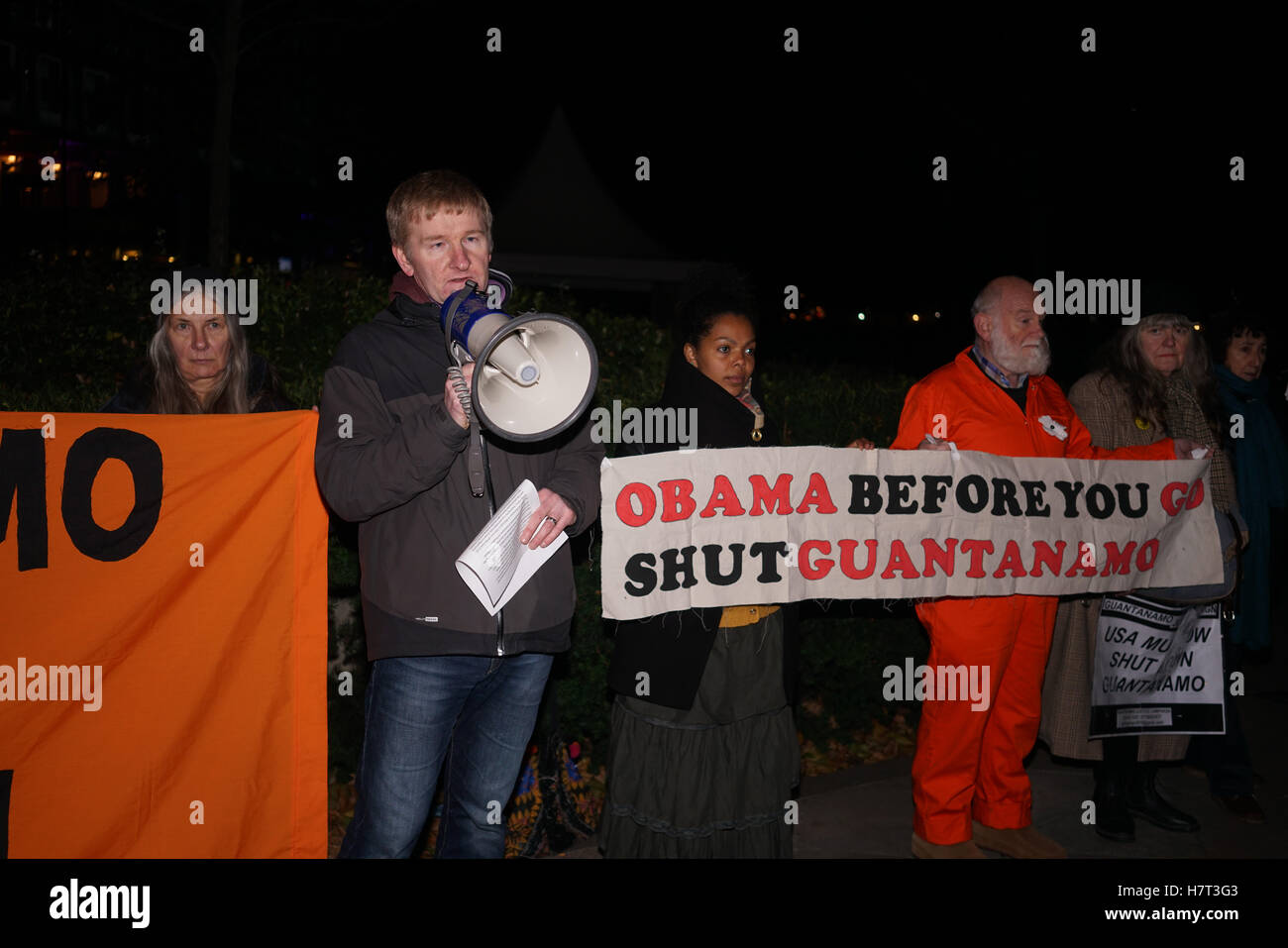
Uniting Voices: A Global Protest Against Human Rights Violations
In every corner of our world, the demand for human rights is echoed by countless individuals whose voices resonate with a common purpose. Every protest against protest against human rights violations serves as a crucial act of civil courage, highlighting the struggles faced by vulnerable populations and igniting a spark of change. This article delves into the various dimensions of human rights protests, the significance of solidarity, and the transformative power of collective action.
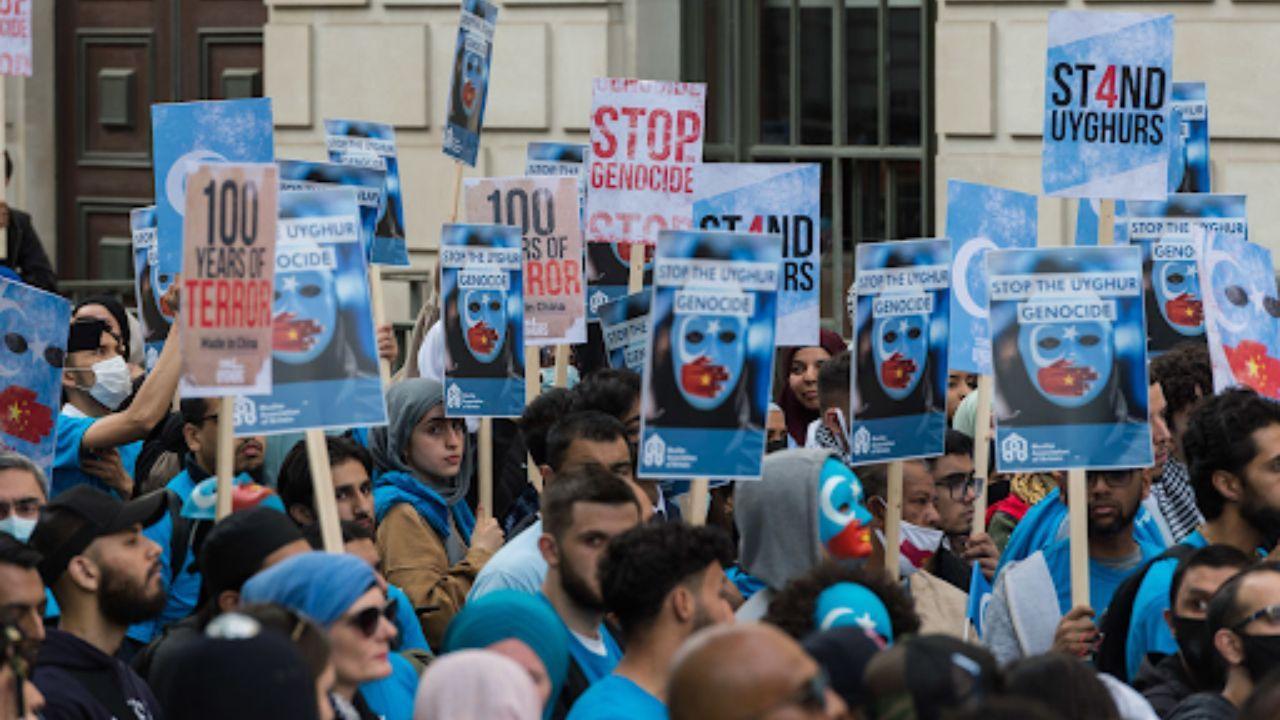
Human rights are fundamental entitlements that every individual deserves simply by being human. Unfortunately, these rights are often neglected, violated, or outright denied, leading to a cycle of oppression and injustice. The power of protest lies in its ability to illuminate these injustices and rally support for those who are silenced. Across the globe, people have taken to the streets, demanding accountability and justice. From the civil rights movement in the United States to the ongoing struggles in Myanmar, these protests reflect the diverse and persistent fight for dignity.
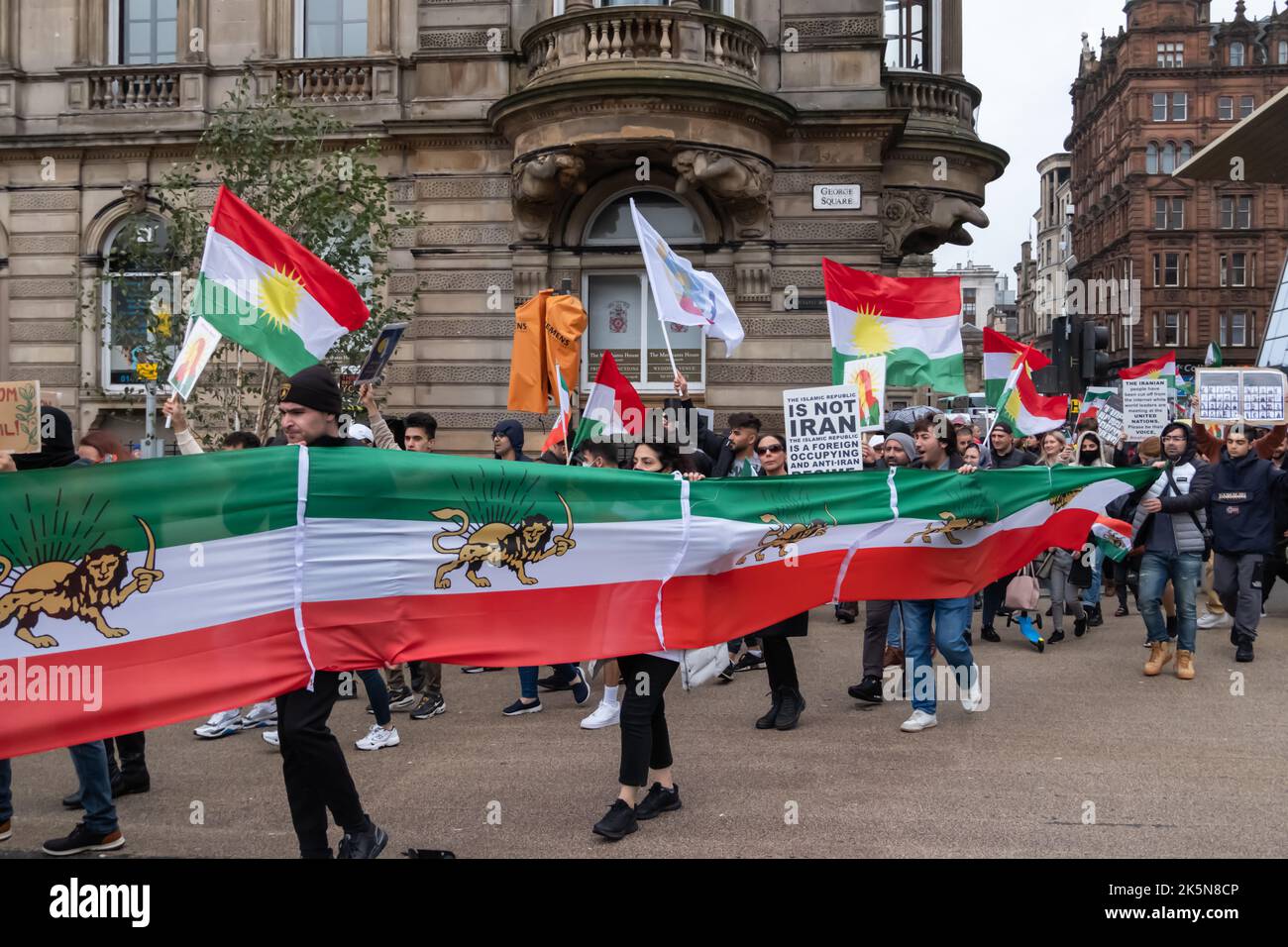
One of the defining features of contemporary protests is their ability to unite people across diverse backgrounds. When individuals gather to stand against human rights violations, they forge connections that transcend language, culture, and nationality. This unity sends a resounding message: human rights are universal, and injustice against one is an injustice against all. Historical examples, such as the anti-apartheid movement in South Africa, remind us that collective action can dismantle oppressive systems and foster a more just society.
Protests often serve as a platform for those who are typically marginalized. The voices of women, ethnic minorities, and LGBTQ+ individuals have historically been sidelined in discussions surrounding human rights. When protests amplify these voices, they become pivotal in reshaping narratives and policies. The Women’s March, for example, not only highlighted issues pertaining to gender equality but also brought to the forefront the intersection
ality of various struggles. Through this lens, protests act as a catalyst for broader societal change, allowing those typically unheard to articulate their demands and aspirations.
In recent years, social media has revolutionized the way protests are organized and communicated. Platforms like Twitter, Instagram, and Facebook allow activists to share information, mobilize supporters, and document their struggles in real time. This digital activism complements traditional forms of protest, enabling movements to gain momentum rapidly. The #BlackLivesMatter movement exemplifies the effectiveness of social media in mobilizing mass protests against systemic racism and police brutality. By utilizing these channels, activists can reach global audiences, inspiring solidarity and action far beyond their local communities.
The impact of protests is not limited to immediate changes in policies or practices; they also play a critical role in shaping public awareness and opinion. Through rallies, demonstrations, and sit-ins, activists bring attention to overlooked issues, educating the public and fostering empathy. The climate justice movement, for instance, has succeeded in demanding systemic change by raising awareness of the urgent need to address climate change as a human rights issue. Protests highlight the interconnectedness of various struggles, reinforcing the notion that the fight for human rights is a multifaceted and ongoing battle.
However, the road to meaningful change is fraught with challenges. Many governments respond to protests with repression, deploying violence to stifle dissent. This brutal reality underscores the risks that activists face in their pursuit of justice. Despite these threats, the resilience of protest movements remains steadfast. The courage displayed by individuals who continue to protest in the face of adversity serves as a testament to their commitment to human rights. They become beacons of hope, inspiring others to join their cause.
Education plays a vital role in the effectiveness of protests. As activists seek to engage the public, they often provide resources for understanding the complexities of human rights violations. Several organizations focus on educating communities about their rights and the mechanisms available for seeking justice. Initiatives that promote awareness of legal tools and frameworks empower individuals to take action against injustice while advocating for systemic reform. The integration of legal knowledge into protest movements can enhance their impact, ensuring that demands for change are informed and grounded in established rights.
The solidarity demonstrated through protests extends beyond mere gatherings; it is an affirmation of shared values and humanity. When individuals from various backgrounds come together, they create a powerful coalition that challenges oppressive systems. This solidarity is crucial in sustaining movements over time and overcoming the obstacles that may arise. Global events, such as the annual International Human Rights Day, serve to unite individuals and organizations in their commitment to advancing human rights, amplifying their collective impact.
Moving forward, it is essential for activists to harness the momentum generated by protests to create lasting change. This involves engaging in dialogue with policymakers, advocating for legislative reform, and fostering partnerships with organizations that prioritize human rights. By translating the energy of protests into sustained advocacy, movements can drive substantial progress in addressing systemic issues and ensuring accountability for human rights violations.
In conclusion, the protest against human rights violations is a powerful expression of collective defiance against injustice. It serves not only as a means of raising awareness but also as a call to action for individuals and communities to unite in the pursuit of dignity, equality, and justice. As history demonstrates, the fight for human rights is ongoing, and the contributions of dedicated activists continue to shape the world. As we stand together in this struggle, let us remember the power of our voices and the significance of our actions in the quest for a more just and equitable society.
Comments are closed